Alkene Reactions
Summary: Three Key Families Of Alkene Reaction Mechanisms
Last updated: May 6th, 2026 |
The Three Key Families Of Alkene Addition Reaction Mechanisms (Plus Two Minor Ones)
In this post we’ll do a final review of alkene addition reactions and sum up the three major families of mechanisms (and two minor classes of reactions worth paying attention to).
Table of Contents
- Reaction Family #1: The Carbocation Pathway
- Reaction Family #2: The “3-Membered Ring” Pathway
- Reaction Family #3: The “Concerted” Pathway
- Two Miscellaneous Minor Pathways: Oxidative Cleavage of Alkenes And Free-Radical Addition To Alkenes
- Notes
- Quiz Yourself!
1. Alkene Reaction Family #1 – The Carbocation Pathway
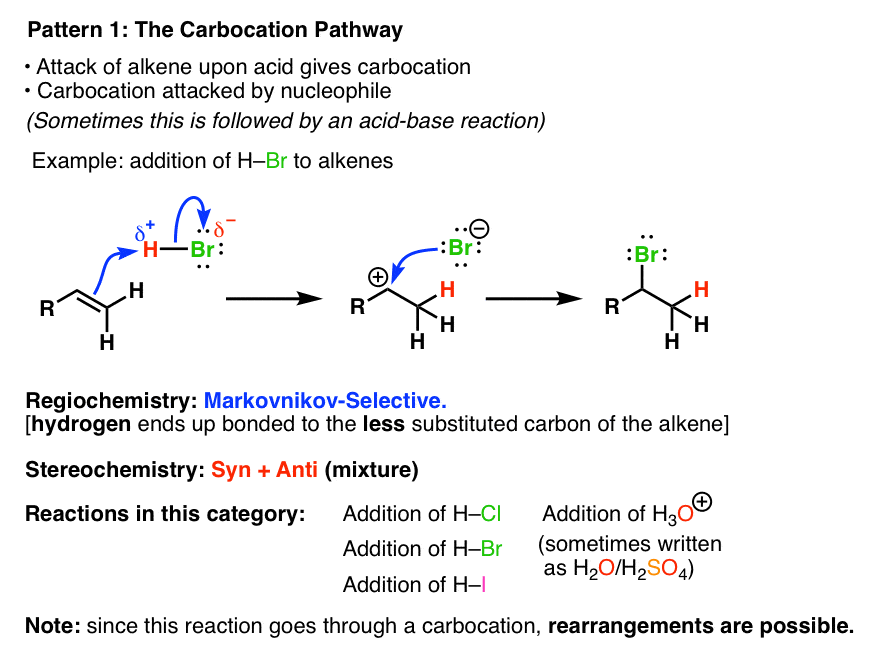
In the Carbocation Pathway, the alkene acts as a nucleophile and attacks an electrophile, resulting in the formation of a carbocation. The regioselectivity is Markovnikov and the stereochemistry of the reaction is a mixture of syn and anti products. Since carbocations are formed, be alert for rearrangements ! This is the only family where this can happen.
2. Alkene Reaction Family #2 – The 3-Membered Ring Pathway
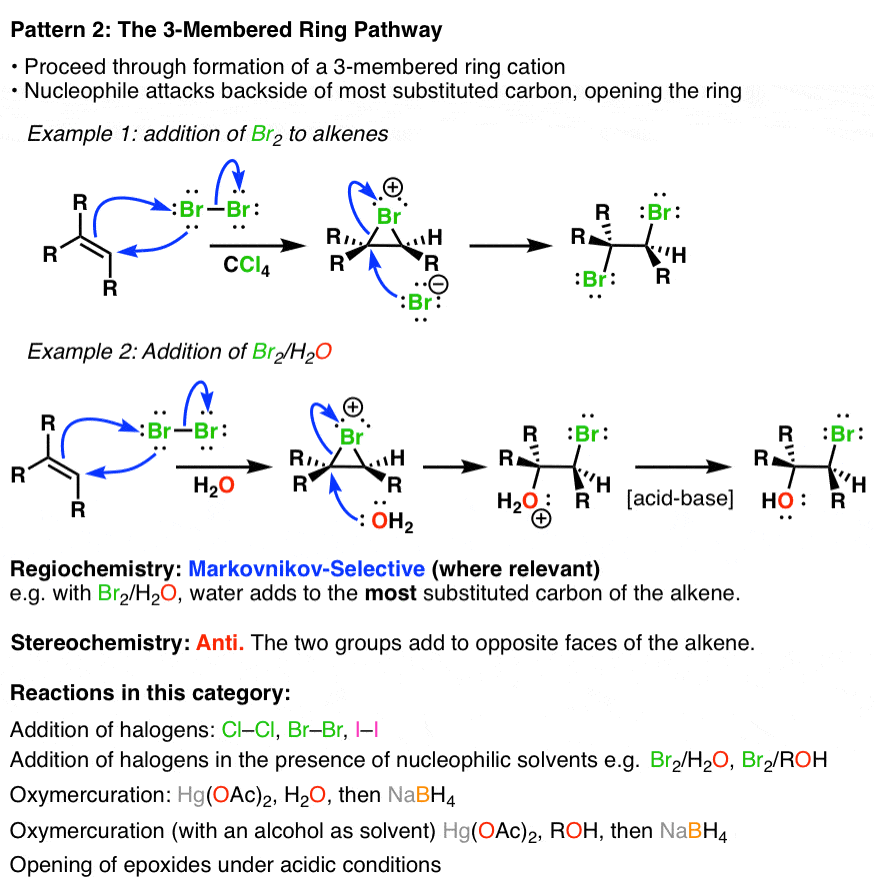
In the so called “3-membered ring pathway” the alkene attacks an electrophile and forms a 3-membered ring intermediate. This intermediate is then attacked at the most substituted carbon by a nucleophile via a backside attack, giving rise to anti stereochemistry:
3. Alkene Reaction Family #3 – The Concerted Pathway
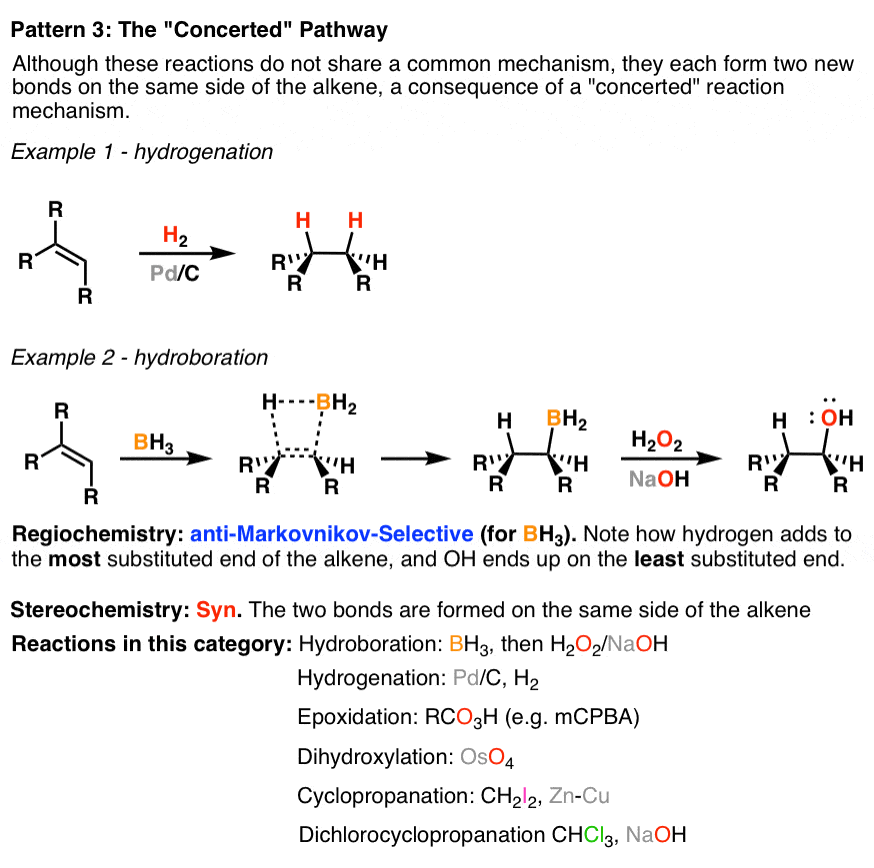
The “concerted” pathway is not meant to describe a single reaction mechanism, but it does describe similar consequences. In this class of reaction the regioselectivity is generally not relevant (except for hydroboration with BH3, which is anti-Markovnikov). The stereochemistry of the reaction is syn, meaning the two new bonds form on the same face of the alkene.
4. Two Miscellaneous Minor Alkene Reaction Families: Oxidative Cleavage of Alkenes And Free-Radical Addition To Alkenes
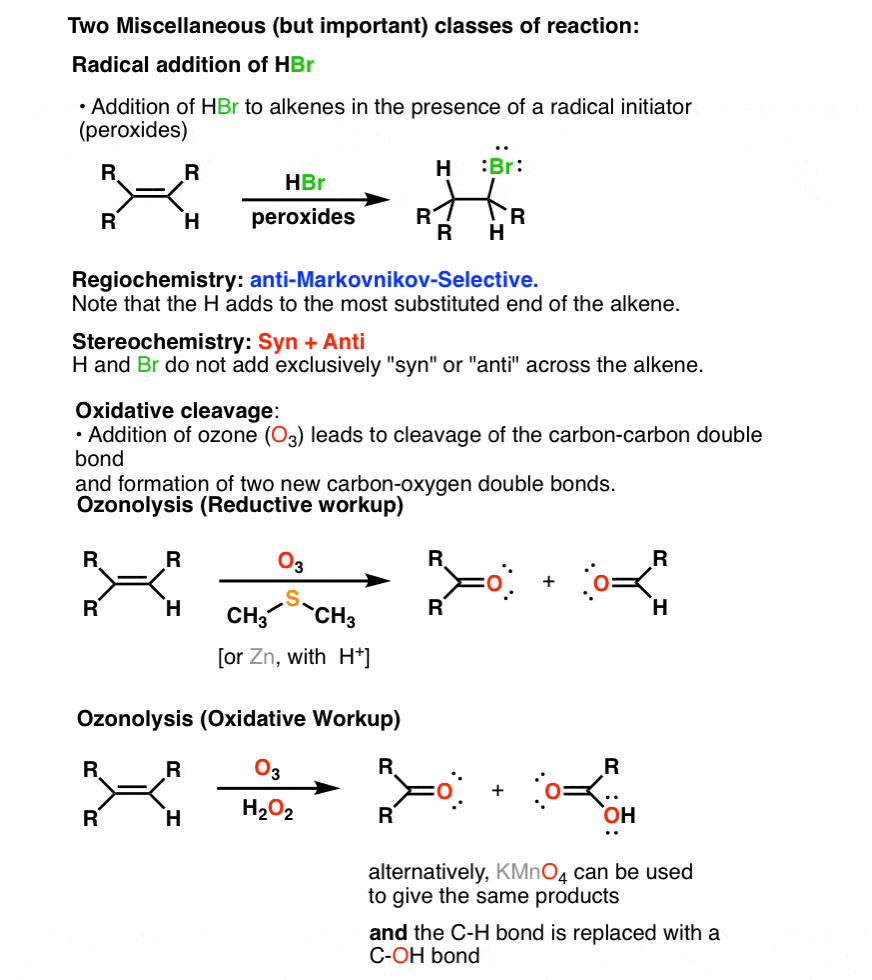
In addition there is a fourth pathway which goes through a free radical addition of HBr in the presence of peroxides. The regiochemistry is anti-Markovnikov and the stereochemistry is a mixture of syn and anti.
Finally in the presence of strong oxidants such as KMnO4 or O3 alkenes undergo a reaction called oxidative cleavage which results in the complete breakage of C=C to form carbonyl compounds.
This sums up the series on alkenes for now. In the next series, we’ll go through the reactions of alkynes.
Reaction Map – Reactions Of Alkenes
Notes
Quiz Yourself!
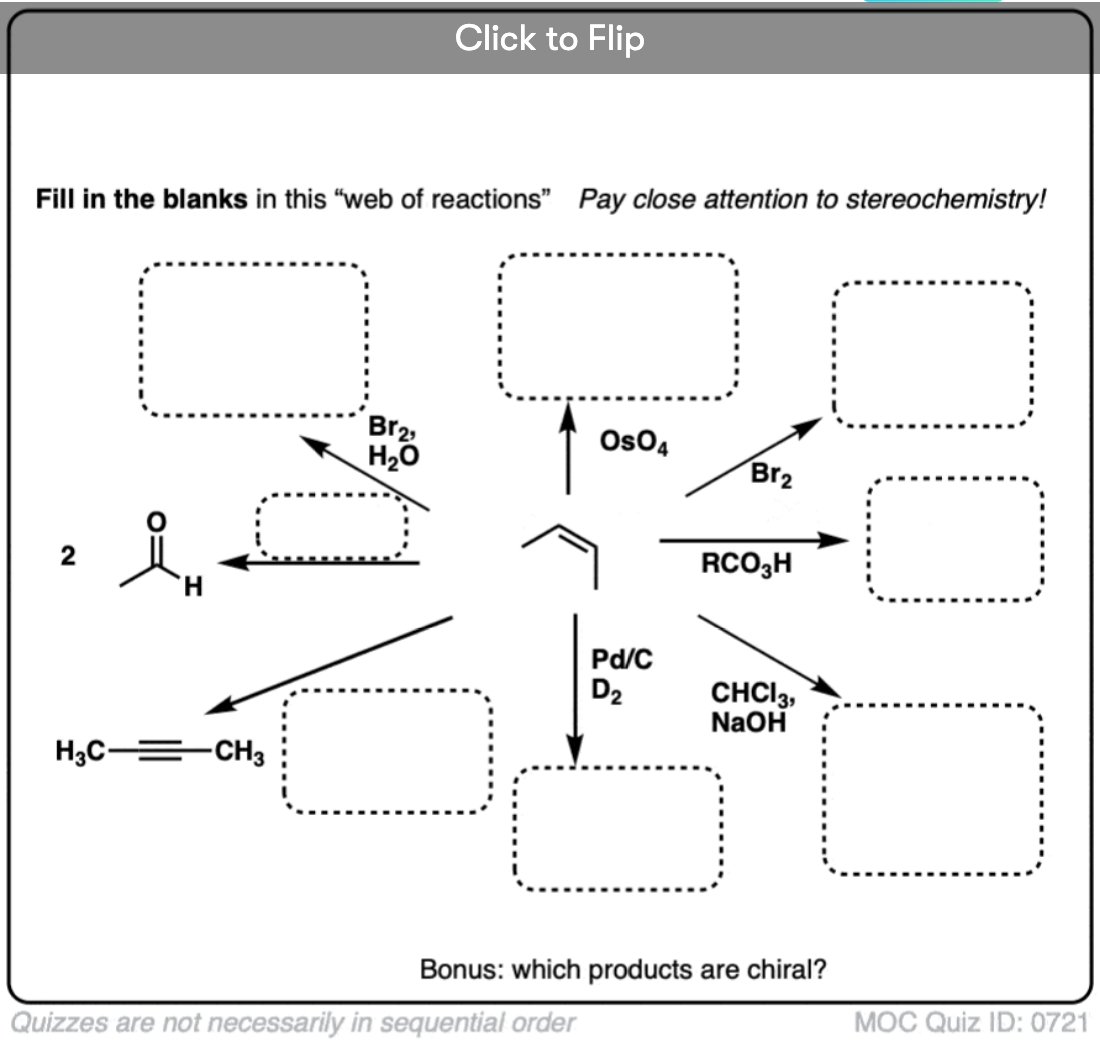
Become a MOC member to see the clickable quiz with answers on the back.
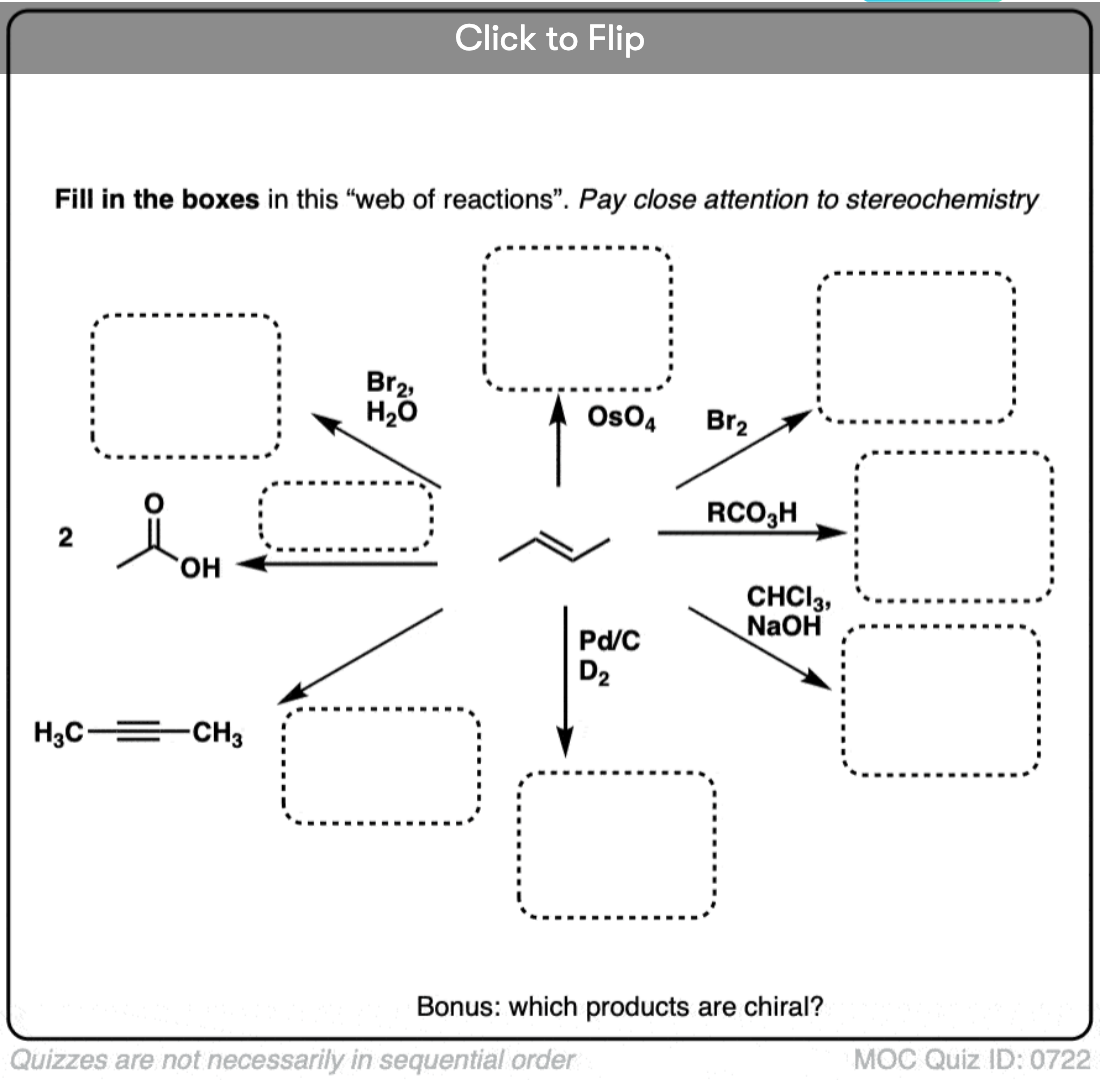
Become a MOC member to see the clickable quiz with answers on the back.
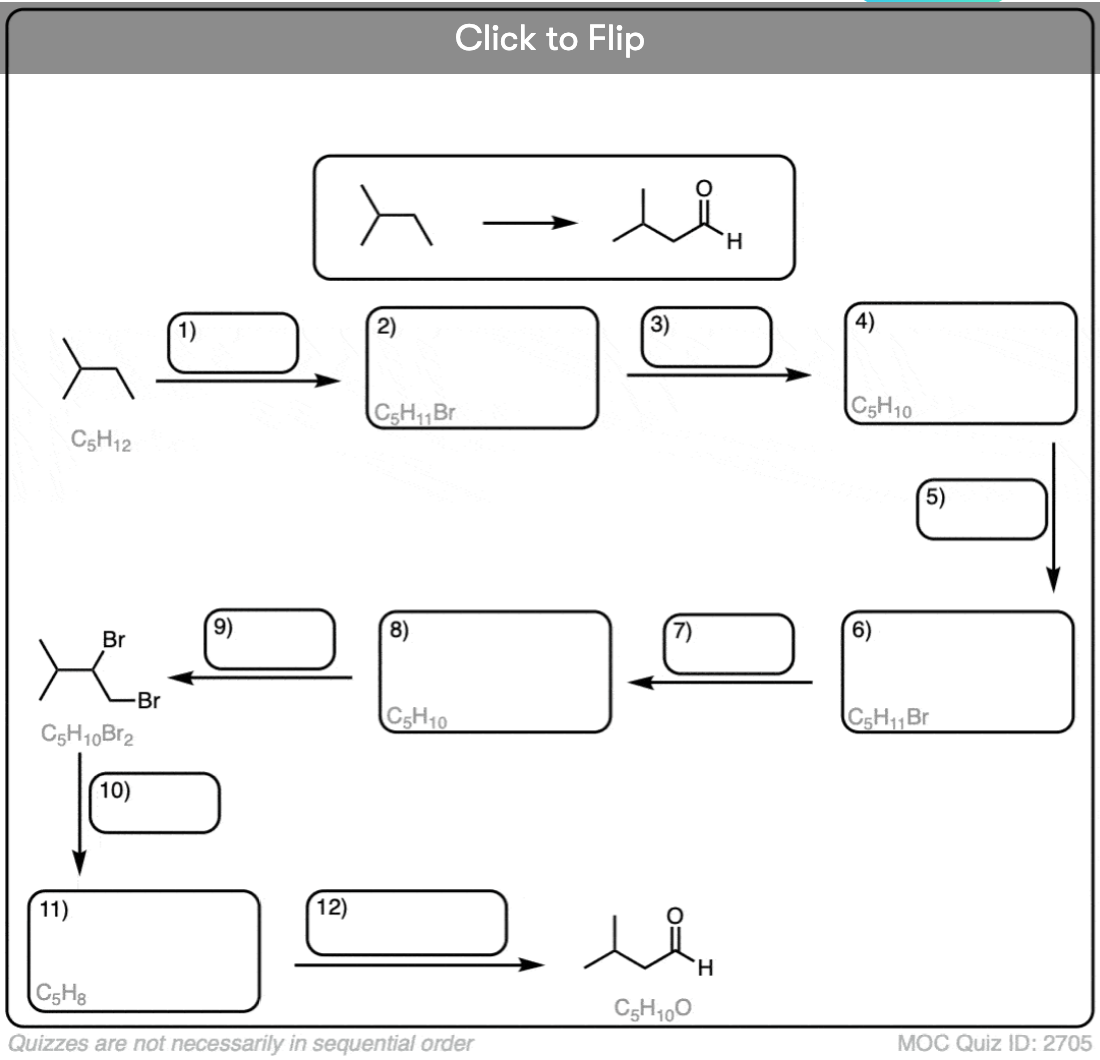
Become a MOC member to see the clickable quiz with answers on the back.
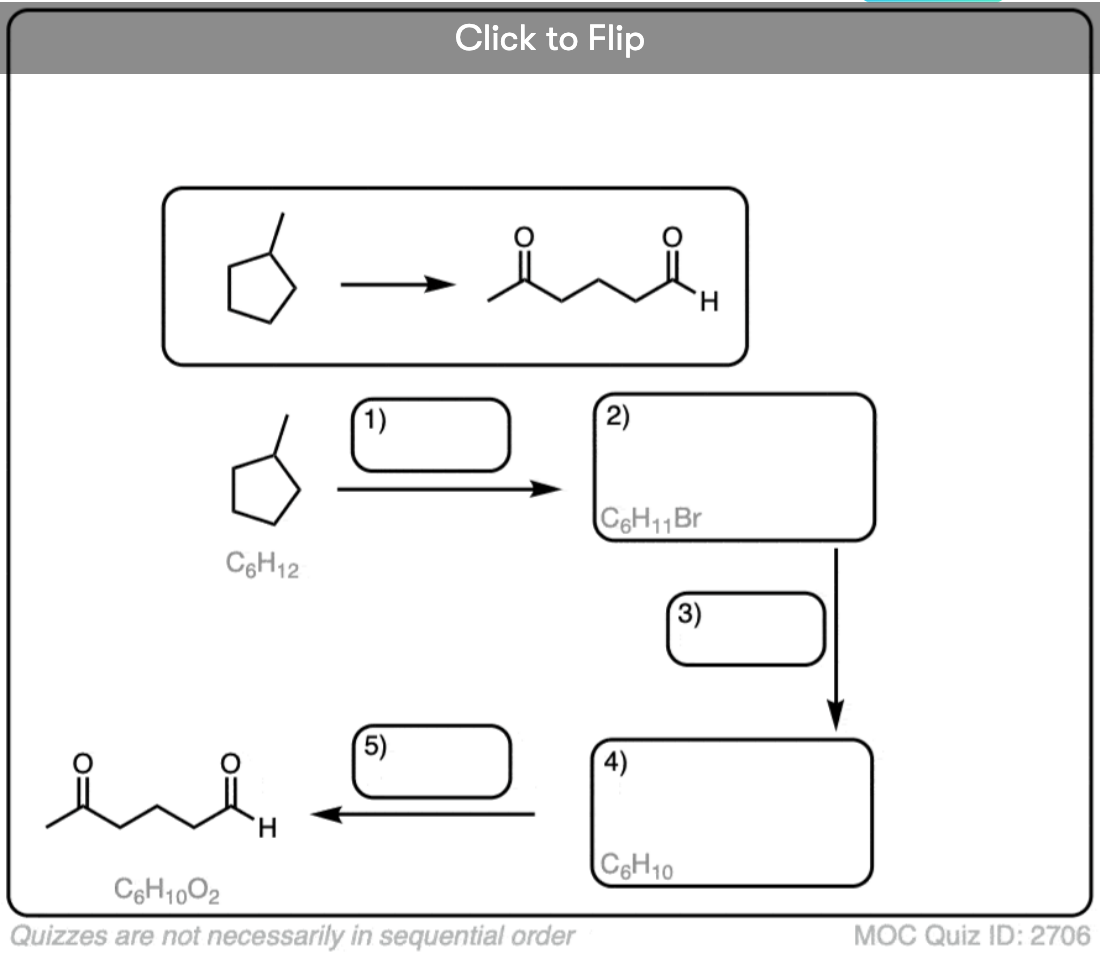
Become a MOC member to see the clickable quiz with answers on the back.
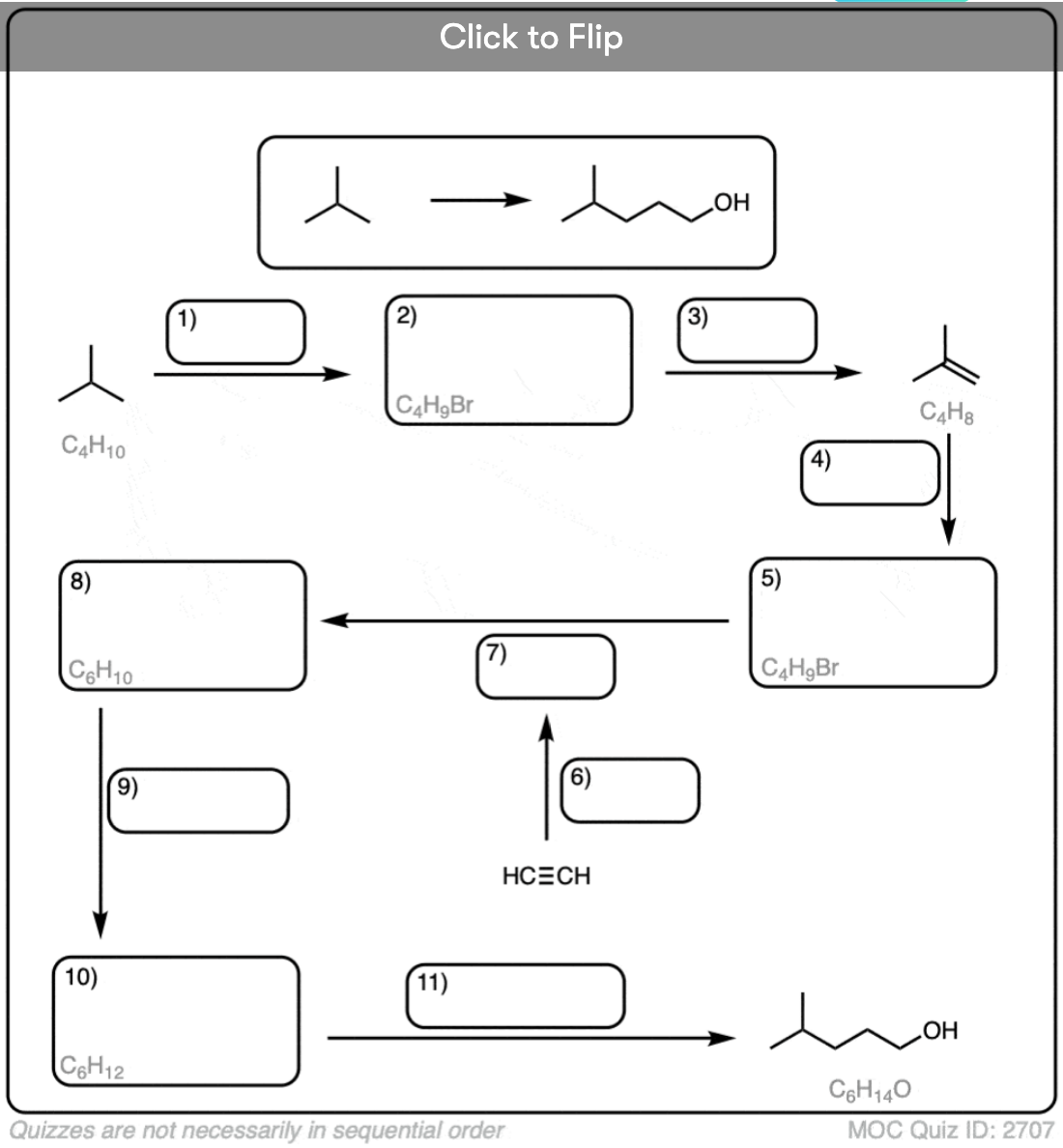
Become a MOC member to see the clickable quiz with answers on the back.
Find Master Organic Chemistry first when you search on Google:
Isn’t it important to know whether KMnO4 is cold or hot? Doesn’t cold KmNO4 allow the -OH groups to bond onto the location of the double bond, while hot KMnO4 does the oxidative cleavage you’re referring to? Thanks!
Correct: KMnO4 oxidative strength depends on temperature. Cis diol at low temperature, and Carboxylic acids at high temperature (acidic workup)
Exactly Rex.
Wow I just read through a couple of your articles and they are damn good. If you haven’t already write a book on organic chemistry sell it in India cus a lot of people( by that I mean millions) don’t have regular internet facilities. But people a lot of books especially educational books among others( our culture promotes reading). By writing a book not only can you help so many students as your stuff is a million times better than any indian writer ( trust me thee are a lot of,indian writers) its so simple and to the point. I understand your attempts of making it free which is a noble qestures but for a low price a book by you could help so many( and indian parents will buy a book regardless of the cost its just how the society works no compramises towards an education). Oh.. If myrant is pointless cus you already have one please send a link on the mentioned email address.
Keep on the amazing work your helping scores of students I literally have printouts of your articles now, compileing a book myself :P.
Cheers
Thanks Sanjay. Writing a book is a pretty time consuming endeavor and I already have my hands really, really full. I can imagine writing a smaller book on a very niche topic though.
plzz post for formation of alkanes,alkenes,alkynes im havin confusion in wurtz reaction